
kimhutton.
Hello! I’m Kim,
I find the gap between ambition and lived reality — and build what closes it.
Portfolio
Testimonials
About me.
“Stick to banking.”
That was the comment sitting underneath a Standard Bank post while I was researching what would become my first real campaign. A customer telling one of South Africa's biggest banks to stay in its lane rather than talk about women's empowerment.
She had a point. The bank hadn't earned the right to be in that conversation — not yet. So instead of another empowerment campaign with no real heart behind it, we showed the women behind the logo: proof instead of promise. The campaign out-shared every competing bank in the country that month, and positive sentiment hit its highest point of the year. Six months later, I'd gone from running two of five social media business units to leading the whole account.
Somewhere inside most briefs, there is a version of “stick to banking”.
A comment from actual consumers. A number that disproves a company’s hypothesis. An unseen tension. An unexplained silence.
Proof that a brand isn't landing the way it hopes to in people's minds.
That is where I come in.
I'm Kim Hutton.
Senior Strategist with eight years designing why people take part, give something and come back, across brand, customer experience and data.
Most work arrives looking like an execution problem: a campaign that isn't landing, a platform nobody's adopting, a data programme collecting the wrong things. It rarely stays that shape. The real issue is usually upstream — in what the brand is asking someone to believe, trust or hand over, before it's ever asked them to buy. That’s why my favourite work is designing the mechanics in between: the loyalty platform, the membership club, the data people actually want to give.
I find that issue, name it, then build what closes it.
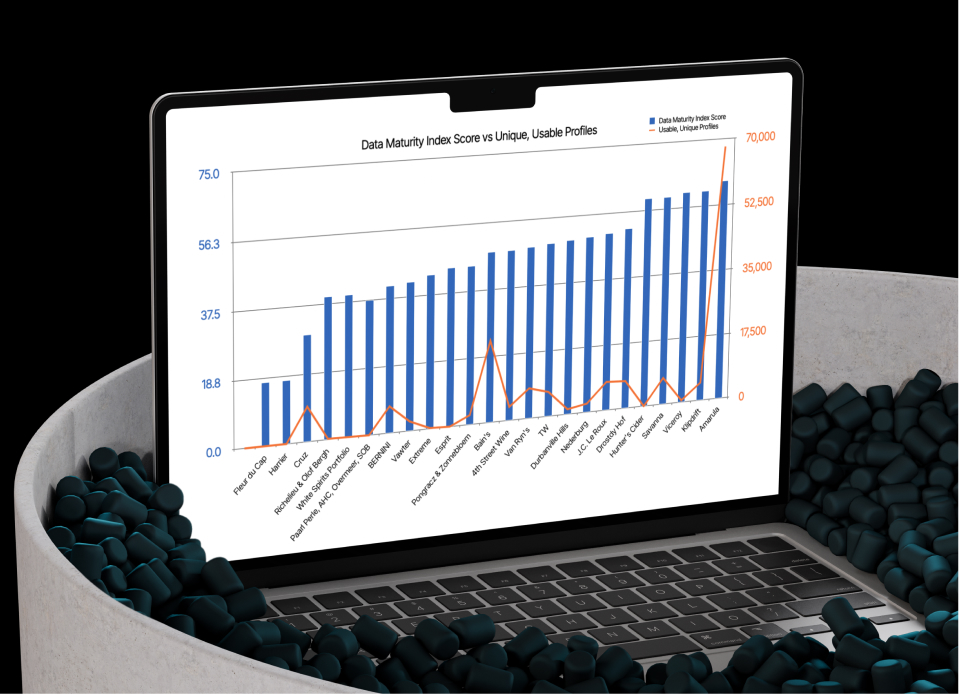
At Heineken, I was brought in to build a first-party data strategy across a 26-brand portfolio. What brand teams actually needed wasn't more data — it was a way to know whether the exchange was worth it for the person giving it. I built a 66-criteria Data Maturity Index scored against exactly that question, then wrote brand-by-brand recommendations. Within a week of presenting it back, the workshop had expanded our scope by roughly a quarter of a million rand — not because I pitched new work, but because I proved the client's own data was worth more than they realised.
At Mandarin Oriental, two hotels relaunching under one platform were chasing the same "global luxury" audience on paper — which meant they risked blurring into each other. The real audience didn't want popularity; they wanted expertise: recommendations from critics, chefs and people who actually knew. I flipped the funnel — advocacy before awareness — and gave each hotel a distinct role inside the same platform: one carrying the city's heritage, the other its edge.
At MINI, I reframed an EV launch from a sustainability pitch nobody in South Africa was buying into an identity story — people weren't choosing electric for the planet, they were choosing it to be seen as different. The platform became the brand's adopted positioning across the market.
Different industries. Same diagnostic underneath: the brief says one thing, the actual barrier — trust, confidence, permission to speak — is somewhere else, and the job is naming it before anything gets built on top of it.
How I work.

AI.

Where I fit.

Perspectives
I have a habit of falling down research rabbit holes nobody asked me to explore. This is where the useful ones end up — long-form thinking on strategy, creativity, and the space between them. It usually starts as a practical problem and ends somewhere more interesting.
Creative Briefing:
Say it so they can see it.

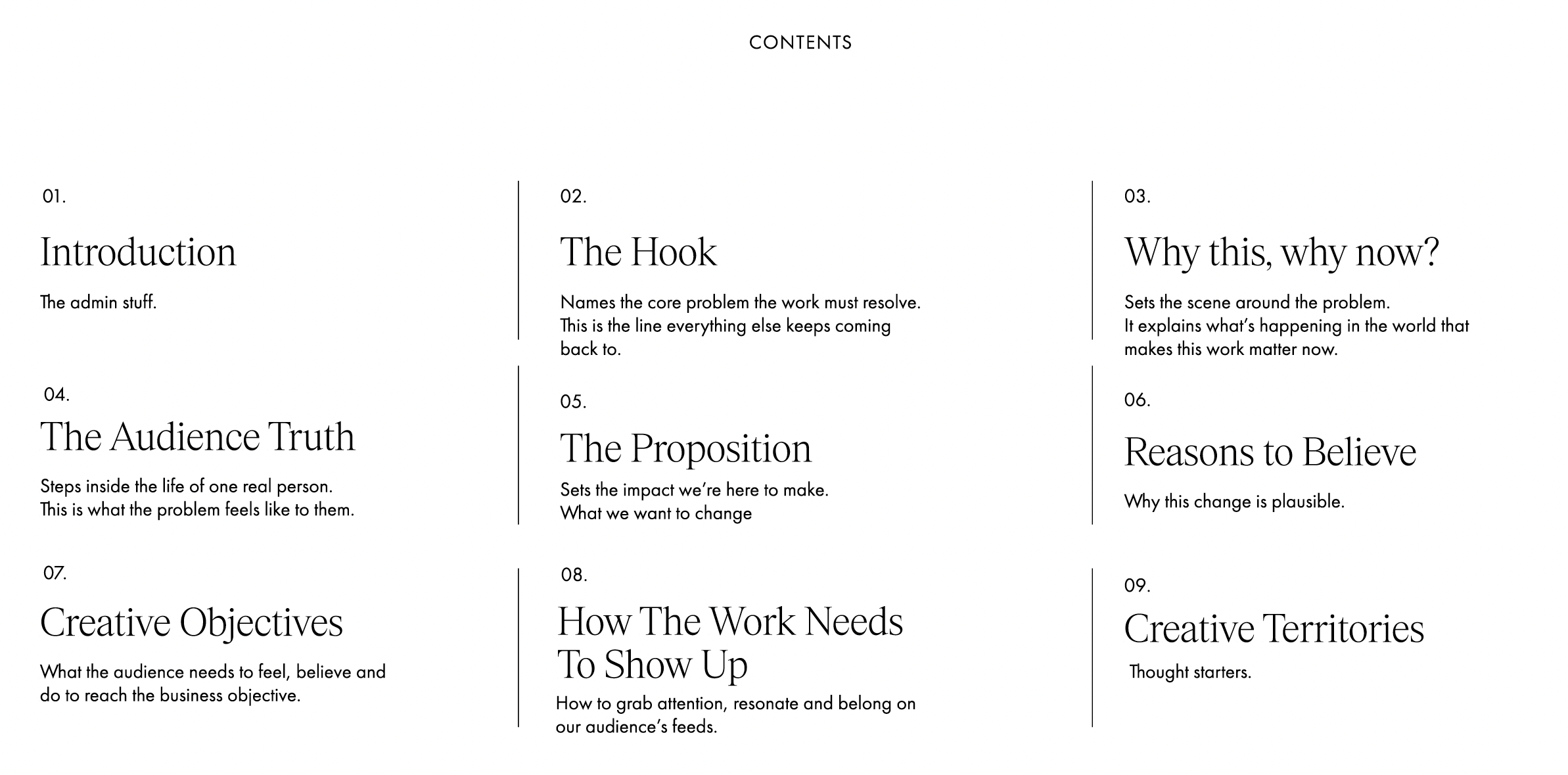
This is a hill I'm willing to die on: the creative brief is the beating heart of an agency. Yet most agencies don't have one they trust. Strategists and creatives think differently — and that difference isn't a problem to manage. It's a gift. It's what makes the work exceptional.
But different minds absorb information differently.
Read Article


Featured work.
See all


Testimonials.
View My Work

Get In Touch


©2026 All Rights Reserved.

kimhutton.
Hello! I’m Kim,
I find the gap between ambition and lived reality — and build what closes it.
About Me
Portfolio
Testimonials

About me.
“Stick to banking.”
That was the comment sitting underneath a Standard Bank post while I was researching what would become my first real campaign. A customer telling one of South Africa's biggest banks to stay in its lane rather than talk about women's empowerment.
She had a point. The bank hadn't earned the right to be in that conversation — not yet. So instead of another empowerment campaign with no real heart behind it, we showed the women behind the logo: proof instead of promise. The campaign out-shared every competing bank in the country that month, and positive sentiment hit its highest point of the year. Six months later, I'd gone from running two of five social media business units to leading the whole account.
Somewhere inside most briefs, there is a version of “stick to banking”.
A comment from actual consumers. A number that disproves a company’s hypothesis. An unseen tension. An unexplained silence.
Proof that a brand isn't landing the way it hopes to in people's minds.
That is where I come in.
I'm Kim Hutton.
Senior Strategist with eight years designing why people take part, give something and come back, across brand, customer experience and data.
Most work arrives looking like an execution problem: a campaign that isn't landing, a platform nobody's adopting, a data programme collecting the wrong things. It rarely stays that shape. The real issue is usually upstream — in what the brand is asking someone to believe, trust or hand over, before it's ever asked them to buy. That’s why my favourite work is designing the mechanics in between: the loyalty platform, the membership club, the data people actually want to give.
I find that issue, name it, then build what closes it.
At Heineken, I was brought in to build a first-party data strategy across a 26-brand portfolio. What brand teams actually needed wasn't more data — it was a way to know whether the exchange was worth it for the person giving it. I built a 66-criteria Data Maturity Index scored against exactly that question, then wrote brand-by-brand recommendations. Within a week of presenting it back, the workshop had expanded our scope by roughly a quarter of a million rand — not because I pitched new work, but because I proved the client's own data was worth more than they realised.
At Mandarin Oriental, two hotels relaunching under one platform were chasing the same "global luxury" audience on paper — which meant they risked blurring into each other. The real audience didn't want popularity; they wanted expertise: recommendations from critics, chefs and people who actually knew. I flipped the funnel — advocacy before awareness — and gave each hotel a distinct role inside the same platform: one carrying the city's heritage, the other its edge.
At MINI, I reframed an EV launch from a sustainability pitch nobody in South Africa was buying into an identity story — people weren't choosing electric for the planet, they were choosing it to be seen as different. The platform became the brand's adopted positioning across the market.
Different industries. Same diagnostic underneath: the brief says one thing, the actual barrier — trust, confidence, permission to speak — is somewhere else, and the job is naming it before anything gets built on top of it.
How I work.

AI.

Where I fit.

Featured work.
See all


Perspectives
I have a habit of falling down research rabbit holes nobody asked me to explore. This is where the useful ones end up — long-form thinking on strategy, creativity, and the space between them. It usually starts as a practical problem and ends somewhere more interesting.
Creative Briefing:
Say it so they can see it.
This is a hill I'm willing to die on: the creative brief is the beating heart of an agency. Yet most agencies don't have one they trust. Strategists and creatives think differently — and that difference isn't a problem to manage. It's a gift. It's what makes the work exceptional.
But different minds absorb information differently.
Read Article
Testimonials.
Get In Touch
View My Work

©2026 All Rights Reserved.
kimhutton.
Hello! I’m Kim,
I find the gap between ambition and lived reality — and build what closes it.
About Me
Portfolio
Testimonials
About me.
“Stick to banking.”
That was the comment sitting underneath a Standard Bank post while I was researching what would become my first real campaign. A customer telling one of South Africa's biggest banks to stay in its lane rather than talk about women's empowerment.
She had a point. The bank hadn't earned the right to be in that conversation — not yet. So instead of another empowerment campaign with no real heart behind it, we showed the women behind the logo: proof instead of promise. The campaign out-shared every competing bank in the country that month, and positive sentiment hit its highest point of the year. Six months later, I'd gone from running two of five social media business units to leading the whole account.
Somewhere inside most briefs, there is a version of “stick to banking”.
A comment from actual consumers. A number that disproves a company’s hypothesis. An unseen tension. An unexplained silence.
Proof that a brand isn't landing the way it hopes to in people's minds.
That is where I come in.
I'm Kim Hutton.
Senior Strategist with eight years designing why people take part, give something and come back, across brand, customer experience and data.
Most work arrives looking like an execution problem: a campaign that isn't landing, a platform nobody's adopting, a data programme collecting the wrong things. It rarely stays that shape. The real issue is usually upstream — in what the brand is asking someone to believe, trust or hand over, before it's ever asked them to buy. That’s why my favourite work is designing the mechanics in between: the loyalty platform, the membership club, the data people actually want to give.
I find that issue, name it, then build what closes it.
At Heineken, I was brought in to build a first-party data strategy across a 26-brand portfolio. What brand teams actually needed wasn't more data — it was a way to know whether the exchange was worth it for the person giving it. I built a 66-criteria Data Maturity Index scored against exactly that question, then wrote brand-by-brand recommendations. Within a week of presenting it back, the workshop had expanded our scope by roughly a quarter of a million rand — not because I pitched new work, but because I proved the client's own data was worth more than they realised.
At Mandarin Oriental, two hotels relaunching under one platform were chasing the same "global luxury" audience on paper — which meant they risked blurring into each other. The real audience didn't want popularity; they wanted expertise: recommendations from critics, chefs and people who actually knew. I flipped the funnel — advocacy before awareness — and gave each hotel a distinct role inside the same platform: one carrying the city's heritage, the other its edge.
At MINI, I reframed an EV launch from a sustainability pitch nobody in South Africa was buying into an identity story — people weren't choosing electric for the planet, they were choosing it to be seen as different. The platform became the brand's adopted positioning across the market.
Different industries. Same diagnostic underneath: the brief says one thing, the actual barrier — trust, confidence, permission to speak — is somewhere else, and the job is naming it before anything gets built on top of it.

How I work.

AI.

Where I fit.
Featured work.
See all



Wild Space
2023
Making everyday shopping playable.
Read More

Case Study


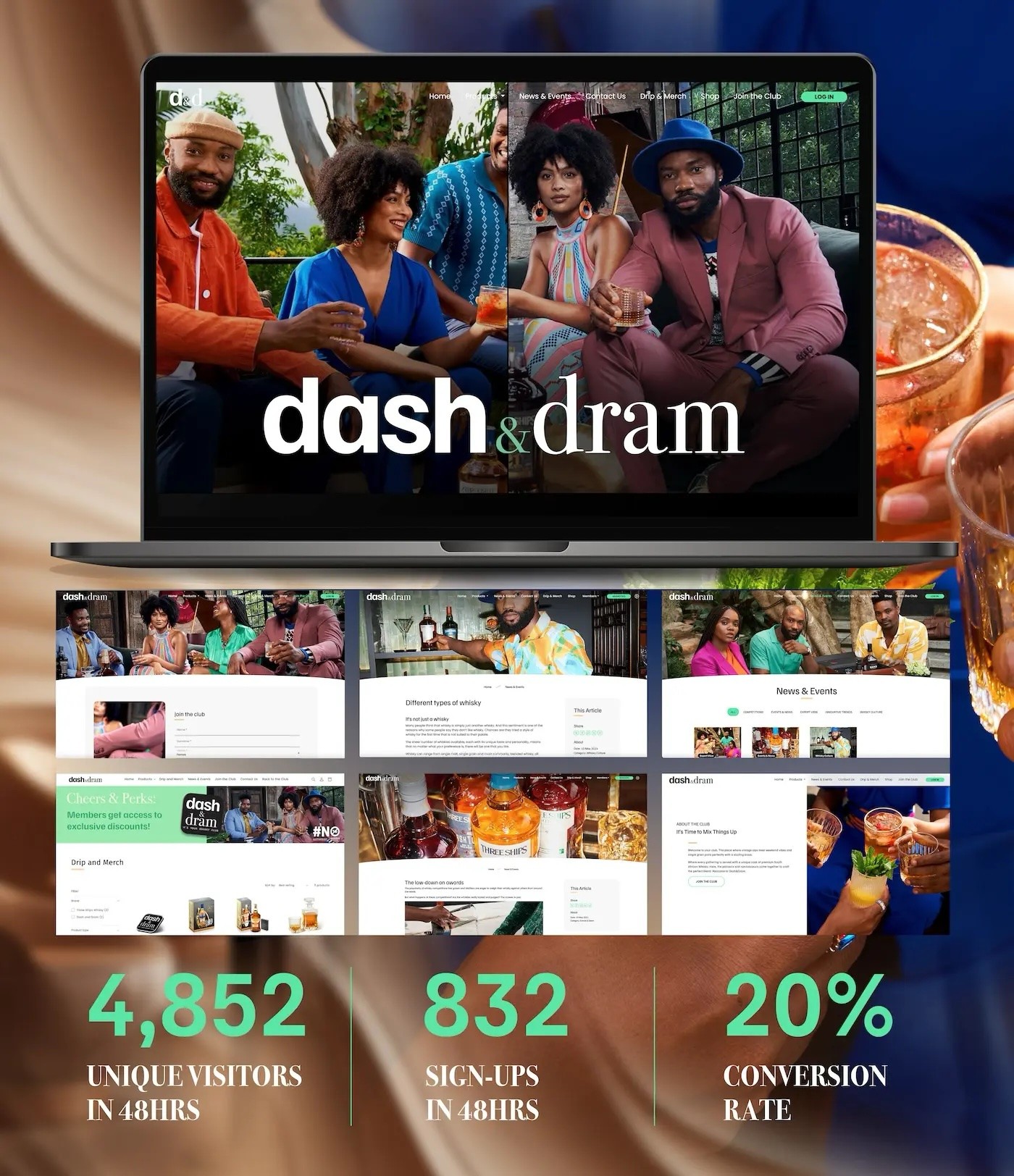
Dash & Dram Whiskey Society
2023
Turning exclusivity into invitation.
Read More
Case Study
Heineken First Party Data Strategy
2023
Data maturity isn't how sophisticated your methods are. It's whether sophistication converts to value.
Read More
Case Study
Perspectives
I have a habit of falling down research rabbit holes nobody asked me to explore. This is where the useful ones end up — long-form thinking on strategy, creativity, and the space between them. It usually starts as a practical problem and ends somewhere more interesting.
Creative Briefing:
Say it so they can see it.
This is a hill I'm willing to die on: the creative brief is the beating heart of an agency. Yet most agencies don't have one they trust. Strategists and creatives think differently — and that difference isn't a problem to manage. It's a gift. It's what makes the work exceptional.
But different minds absorb information differently.
Read Article
Testimonials.
Get In Touch
View My Work
©2026 All Rights Reserved.